


Search results for "80k fc points Visit Buyfc26coins.com Erikoistunut tekninen tuki peliongelmiin..vKPq"
Matching terms: point, pointed, points
diagnostic character
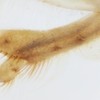
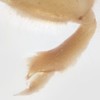
Pointed Hind Tibiae
Ventral apex of each hind tibia acutely pointed (i.e. the shins of the last pair of legs each have a point at the end).
diagnostic character
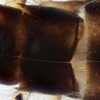
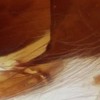
Pronotum with Pointed Anterolateral Corners
The pronotum of larvae in this family usually has strongly pointed anterolateral corners, giving larvae the appearance of having sharp shoulder pads.
diagnostic character
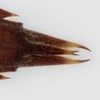
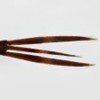
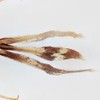
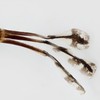
Abdomen with 5 Sharp Stiff Points or 3 Gills
(Odonata)
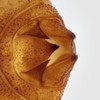
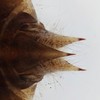
End of abdomen has either 5 sharp stiff points (suborder Anisoptera, or dragonflies) or 3 long flat gills (suborder Zygoptera, or damselflies).
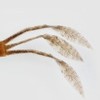
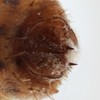
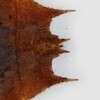
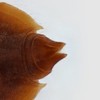
diagnostic character
5 Short Appendages on End of Abdomen
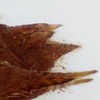
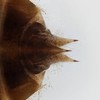
End of abdomen with 5 short, stiff, pointed appendages.
Glossary
palmate
like the palm of the hand with processes stemming from a singular point, used in reference to gill venation.
family
Plecoptera
Peltoperlidae, “Roach-like Stoneflies”
The body is small (1/4–1 inch), stocky, with tapered and pointed gills that are partly hidden by the large, overlapping thoracic plates, giving this stonefly a cockroach appearance from dorsal view.
The body is small (1/4–1 inch), stocky, with tapered and pointed gills that are partly hidden by the large, overlapping thoracic plates, giving this stonefly a cockroach appearance from dorsal view.
diagnostic character
Double Lamellate Gills
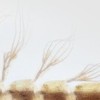
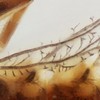
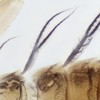
The gills on abdominal segments 2–7 are double-layered and lamellate (plate-like). The gills can be terminated in filaments or points and without fringe, or oval with fringe.
Glossary
trochantin
hard structure on front of base of front leg of a caddisfly, usually more or less triangular and pointed apically, sometimes forked or hatchet-shaped.
family
Diptera
Athericidae, “Watersnipe Flies, Aquatic Flies”
The head is visible but reduced and partly retracted in the thorax; the mouth hooks (mandibles) move up and down parallel to one another; the body is cylindrical; the abdomen has two pairs of long pointed tubercles laterally and dorsolaterally, eight pairs of ventral prolegs with tiny apical hooks, and a pair of long hairy tubercles posteriorly.
The head is visible but reduced and partly retracted in the thorax; the mouth hooks (mandibles) move up and down parallel to one another; the body is cylindrical; the abdomen has two pairs of long pointed tubercles laterally and dorsolaterally, eight pairs of ventral prolegs with tiny apical hooks, and a pair of long hairy tubercles posteriorly.
family
Trichoptera
Polycentropodidae, “Trumpet-net, Tube Maker Caddisflies”
The larva lives in a silken net that is funnel-shaped, tubular, flattened, or like a spider web; the top of the first thoracic segment is covered by sclerites, but the tops of the second and third thoracic segments are membranous; at the front of the base of each front leg is a foretrochantin that is pointed apically (not hatchet-shaped); the tarsi of all legs are more or less cylindrical, not flattened; tibiae are at least as long as the tarsi; anal prolegs are long and freely moveable.
The larva lives in a silken net that is funnel-shaped, tubular, flattened, or like a spider web; the top of the first thoracic segment is covered by sclerites, but the tops of the second and third thoracic segments are membranous; at the front of the base of each front leg is a foretrochantin that is pointed apically (not hatchet-shaped); the tarsi of all legs are more or less cylindrical, not flattened; tibiae are at least as long as the tarsi; anal prolegs are long and freely moveable.
family
Ephemeroptera
Baetiscidae, “Armored Mayflies”
Armored mayflies have a hard, shield-like plate (notum) covering the thorax and part of the abdomen which offers protection from predators. Typically, the notum covers the gills as far back as the sixth abdominal segment and has two prominent points. Caudal filaments are short and fringed with hairs. Members of this burrowing family are considered collector-gatherers and inhabit pools or runs in sandy streams. Baetiscids swim by tucking their legs under their body and undulating their abdomen and tails.
genus
Ephemeroptera
Heptageniidae
Stenacron
Gills are pointed, last gill is different in structure to preceding ones
genus
Coleoptera
Elmidae
Dubiraphia
The genus is determined by the fringe of hair on the front tibia and stripes of color on the elytra. They are all elongated in size and elytra are parallel-sided then taper to a round point.
family
Diptera
Chironomidae, “Non-Biting Midges, Midges”
This group is estimated to include up to 2,000 North American species. It is the most widespread and often most abundant aquatic insect family. The larvae and pupae can be found in almost any aquatic habitat. They live on the bottom, sometimes within slender tubes of silk and detritus. The larvae must be slide-mounted in order to be identified to genus. Different species vary greatly in pollution tolerance. Shed pupal skins can be collected from surface water and identified, sometimes more easily than for larvae or adults. Larval feeding strategies vary greatly, ranging from collector-gatherers, to predators. Larvae are often abundant and an important link of the food web, as most aquatic predatory species use them as a primary food resource at some point during their life cycle. The larvae pupate on the bottom, and then the pupae swim to the surface to emerge as adults, which usually survive for only a few days to mate and lay eggs.
genus
Odonata
Libellulidae
Libellula
Anterior margin of prementum pointed in center, with straight oblique sides finely scalloped (only visible under microscope at >15X); small spine-like setae not originating from between each scallop. Eyes raised above dorsal surface of head, and situated on anterior fourth of head, covering the anterior corners. Abdomen tapering to sharp point.
genus
Ephemeroptera
Ephemeridae
Hexagenia
Frontal process of head rounded or truncate, never forked or pointed. Most antennal segments with whorls of setae, much longer than an antennal segment. Abdominal segment 1 with pair of small, forked, unfringed gills.
family
Trichoptera
Glossosomatidae, “Saddle Casemaker Caddisflies”
Members of the family Glossosomatidae are often known as Saddle-case Makers. The cases are unique from those of other caddisflies in that they are domed like a turtle shell with a transverse strap of finer stones across the bottom, leaving the underside open on both ends. They tend to prefer rocky bottomed riffles. Larvae gather small rocks from the bottom of the stream and glue them together with silk from their mouths to form their cases. During feeding, a larva attaches a strand of silk to a large rock and to the upstream end of the case as a tether. The openings of the underside of the case are interchangeable so that the larva then turns around in the case to point its head through the downstream opening. It then slowly swings upstream on the top of the rock, pivoting on its tethered thread, scraping and eating the algae and biofilm from the rock as it moves. Once the untethered end faces directly upstream, it anchors that end with silk, reverses itself within its case, cuts the thread from the original tether (which is now downstream), and repeats the swiveling and feeding process from the now-freed end of its case, progressing into the current by alternating the two ends of the case like a pair of mountain climbers ascending a rock face.
family
Ephemeroptera
Leptophlebiidae, “Prong-gilled Mayflies”
Mandibular tusks absent. Gills on abdominal segment 1 with single or double lamellae (plates) or forked. Gills on segments 2–7 double-layered lamellate (plate-like) and terminated in filaments or points and without fringe, or oval with fringe.
genus
Odonata
Coenagrionidae
Argia, “Dancers”
Setae absent from dorsal palm of labium. Lobes at end of labium each with 2 distal hooks, both pointed. Caudal gills at least 2/3 as broad as long, sometimes thick and triangular in cross-section near base.
genus
Trichoptera
Philopotamidae
Chimarra
Frontoclypeus with conspicuous, jagged asymmetrical notch on anterior margin. Seta no. 18 on ventral surface of head positioned level with posterior point of ventral apotome. Foretrochantins small and barely projecting away from body. Long, slender, setae-bearing process positioned subapically on each prothoracic coxa.
family
Ephemeroptera
Baetidae, “Small Minnow Mayflies”
Labrum usually with median notch and antennae usually long (at least two or three times the width of the head). If median notch absent, then antennae long; if antennae shorter, then distal margin of the labrum always notched. Claws of all legs similarly shaped, usually pointed, rarely broad at the apex; claws of varying lengths, if claws of middle and hind legs long and slender, they are usually shorter than tibiae, except for few rare genera. Abdominal gills roughly oval or heart-shaped. Gill lamellae either single, double, or triple folded; rarely with fringe on inner margins, never with terminal filaments or pointed ends. Mature larvae 3-12 mm long.
genus
Ephemeroptera
Ameletidae
Ameletus
Body not flat. Labrum with notched distal margin and maxillae each with row of golden pectinate spines. Tusks absent. Thoracic notum not turtle-shell-shaped. Abdominal terga usually without paired tubercles. Abdominal segment two with gills similar to those on other segments but NOT operculate/semioperculate; with single lamellae more or less oval and with a sclerotized band along lateral margin and usually with a similar sclerotized band on or near mesal margin; usually not fringed; never ending in filaments or points. Forelegs without long hairs. Tibiae and tarsi not bowed; claws usually not long and slender. Claws of all legs similar, usually sharply pointed, variable in length. Three tails about same length.
family
Ephemeroptera
Ephemeridae, “Burrowing Mayflies”
Large tusks project forward anteriorly from the face and are visible dorsally, when viewed laterally they curve upward. Foretibiae are fossorial (modified for burrowing: expanded or with tubercles). Ventral apex of each hind tibia acutely pointed. Abdominal gills on segments 2–7 are conspicuous dorsally, forked and elongate-lancolate, with fringed margins, giving the animal a fluffy appearance.
family
Ephemeroptera
Ameletidae, “Comb-mouthed Minnow Mayflies”
Body not flat. Labrum without notched distal margin and maxillae each with row of golden pectinate spines. Tusks absent. Antennae shorter than twice width of head. Thoracic notum not turtle-shell-shaped. Abdominal terga usually without paired tubercles. Abdominal segment 2 with gills similar to those on other segments but NOT operculate/semioperculate; with single lamellae more or less oval and with sclerotized band along lateral margin and usually with a similar sclerotized band on or near mesal margin; gills usually not fringed; never ending in filaments or points. Forelegs without long hairs. Tibiae and tarsi not bowed; claws usually not long and slender. Claws of all legs similar, usually sharply pointed, variable in length. Three tails of about equal length.
family
Odonata
Aeshnidae, “Darners”
Suborder Anisoptera (i.e., dragonflies: with stout body shape, head more narrow than thorax and abdomen; end of abdomen with 5 short pointed projections, external gills absent). Labial mask (including its palm and pair of apical lobes) flat or nearly so. Setae absent from inside palm of mask (pre-mental setae). Ligula (distal margin of the labial mask) with median notch. Antennae usually slender or bristle-like, with 6- or 7-segments. Fore- and middle tarsi each 3-segmented. Mature larvae 31–50 mm long.
genus
Odonata
Aeshnidae
Boyeria, “Spotted Darners”
Lobes at apical end of labial mask squarely truncated. Head roughly trapezoidal and strongly tapered posteriorly; with posterior corners of head, though somewhat rounded, roughly forming right angles. Dorsal side of abdomen rounded, without a median ridge. Dorsal side of abdominal segment 8 usually with conspicuous pale spot. Paraprocts (ventrolateral pair of spine-like projections at the end of the abdomen) about as long as combined length of abdominal segments 9 and 10. Epiproct (dorsomedian spine-like projection at end of abdomen) tapering to pointed or cleft apex.
family
Odonata
Gomphidae, “Clubtails”
Suborder Anisoptera (i.e., Dragonflies: stout body shape, head more narrow than thorax and abdomen, end of abdomen with 5 short pointed projections, external gills absent). Labial mask flattened, without hair on palm of inside of mask (premental setae) or usually without setae along margins of palpal lobes at end of mask. Ligula (distal margin of labial mask) without median cleft. Antennae each 4-segmented, although 4th segment usually small. Fore- and middle tarsi each 2 segmented. Mature larvae 23–40 mm long, rarely to 65 mm.
family
Odonata
Libellulidae, “Skimmers”
Suborder Anisoptera (i.e., Dragonflies: stout body shape, head more narrow than thorax and abdomen, end of abdomen with 5 short pointed projections, external gills absent). Labial mask spoon-shaped, usually with hair inside palm of mask and along margins. Distal margin of each palpal lobe regularly and finely scalloped, each scallop 1/10 to 1/6 as high as long, each bearing at least 1 seta, and usually separated by shallow notches. Prementum without ventral medial groove at base. Hind femora usually not extending to posterior margin of abdominal segment 8. Abdomen elongate in dorsal view. Paraprocts (ventrolateral pair of spines) usually more than twice as long as cerci (dorsolateral pair of spines). Mature larvae 8–28 mm long.
family
Odonata
Corduliidae, “Greeneyed Skimmer, Emeralds”
Suborder Anisoptera (i.e., dragonflies: with stout body shape, head more narrow than thorax and abdomen; end of abdomen with 5 short pointed projections, external gills absent). Labial mask spoon-shaped, usually with hairs inside palm of mask (dorsal premental setae) and along margins of palpal lobes (at end of mask). Ventrally, median groove extending from basal hinge of mask to about 1/3 to 1/2 way to distal margin of mask, often faint. Distal margin of each palpal lobe scalloped, with each crenulation rounded and separated by deep notches, usually ¼ to ½ as high as long, each bearing at least 1 seta. Frontal horn usually absent. Paraprocts (ventrolateral pair of posterior spines) usually less than twice as long as cerci (dorsolateral pair of posterior spines). Mature larvae 13-28 mm long.
order
Hemiptera, “True Bugs”
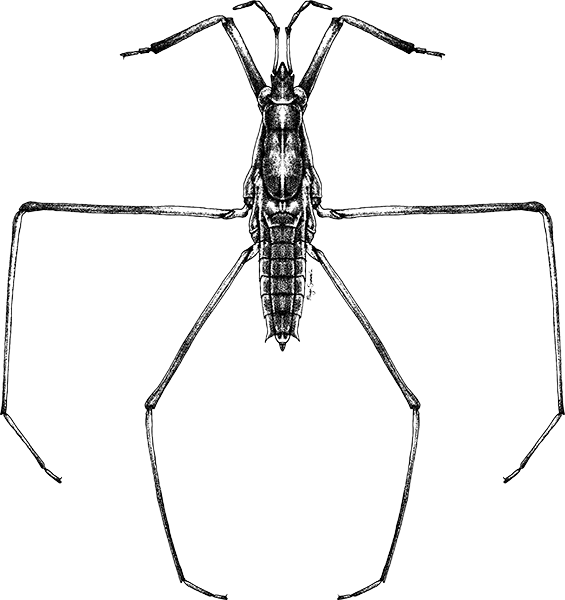
Commonly all insects are called “bugs”; however, the term “bug” actually refers to a specific order of insects, the Hemiptera, or so-called “true bugs.” Not all members of the group are aquatic, however there are nearly 5,000 aquatic or semiaquatic species worldwide. They are hemimetabolous, meaning that the life cycle does not have a pupal stage, and adults and larvae look very similar, except for the lack of wings when immature (wing pads may be present). True bugs can almost always be distinguished from other insects by the presence of a pointed beak or rostrum; this is a set of piercing-sucking mouthparts, usually long, that is held beneath the body (ventrally) when not feeding. These insects are often herbivores, feeding on plant fluids, or predators that inject their prey with digestive enzymes which liquefy the tissues so that they can be easily sucked back up through the straw-like mouth.